
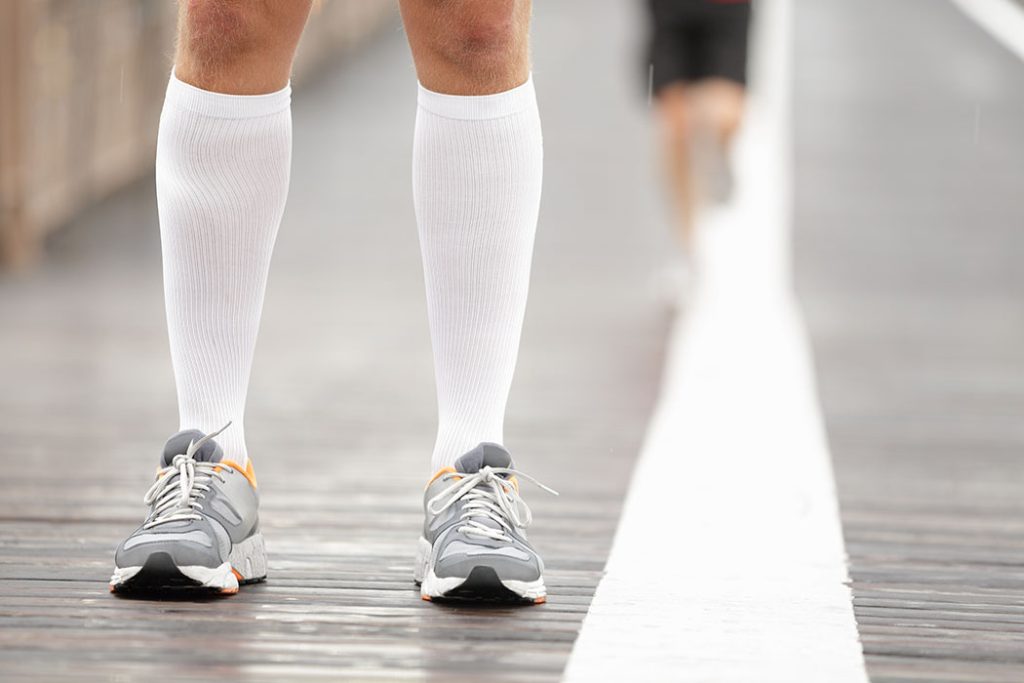
“Runner’s knee,” also known as patellofemoral pain syndrome, is a broad term for dull, aching discomfort in the front or around the knee, which happens when the kneecap fails to glide smoothly on the thighbone. Treating runner’s knee often requires resting, elevating the knee, compression, and ice, but when pain or discomfort becomes chronic, stem cells offer an effective solution.
Dr. John C. Haasis III is an interventional pain management physician. He is board-certified in anesthesiology and fellowship-trained in pain management. He is also the founder of Daisy Institute and, alongside his staff, is passionate about delivering stem cell and regenerative medicine solutions. Contact us online or call our offices directly at (864) 775-5682 to schedule a consultation and explore how stem cells can help you treat your runner’s knee.
We welcome patients from across the East Coast to our office locations in:
- Greenville
- Spartanburg
- Columbia
- Anderson
- Asheville
Contents
About Runner’s Knee
Runner’s knee emerges from repeated stress, often from actions like running and jumping, that wear down cartilage or irritate soft tissues in your knee. It causes weakness or tightness in the quadriceps and hip muscles, which fail to keep the kneecap in proper alignment. Runner’s knee may also occur due to anatomical issues, flat feet, or feet that roll inward while walking or running. (1) It most likely occurs if the intensity is too great or if it increases too quickly when you have just started running, run competitively, or are a long-distance runner.
The pain around the kneecap is often a sign of overuse, especially when the knee strains excessively or too frequently without being able to adapt fast enough. The most common signs of runner’s knee are discomfort just behind or next to the kneecap or pain occurring when you put stress on your knee when climbing stairs, jogging, or sitting in a squatting position. Additionally, it can also arise due to weak thigh and hip muscles, anatomical factors such as having one leg that is longer than the other, foot deformities, unusually short muscles, and more.
How Can Stem Cells Help Runner’s Knee?
Stem cell therapy is an effective way to alleviate several forms of knee pain, including runner’s knee. Stem cells have the ability to transform and adapt into other cells, which allows them to repair, replace, or regenerate damaged tissues. By providing these damaged tissues with the cells they need, stem cell therapy helps to repair damaged cartilage, decrease inflammation, improve mobility, alleviate pain, prevent further knee damage, and more. However, patients should still rest, ice, compress, and elevate their knees during stem cell therapy and only resume activity with Dr. Hassis’ clearance.
Candidates
If you are experiencing inflammation and discomfort in your knees, especially after overuse during running, jumping, or higher-intensity activities, then stem cell therapy may be an ideal solution for you. Stem cells offer an effective, minimally invasive alternative to corrective surgeries. To qualify, you should also be in relatively good health, as this will increase the likelihood that the stem cells take properly to their new location and your body can benefit from their proliferation. This treatment may not be ideal if you are experiencing bone-to-bone joint damage, severe misalignment, zero range of motion, torn ligaments, or active infections and cancers. (2) Dr. Haasis will establish your candidacy during your consultation.
Personal Consultation
During your personal consultation, you and Dr. Haasis will discuss your runner’s knee in detail. This conversation will cover how long you have struggled with it, the severity of your symptoms, specific pain triggers, and where the pain forms. Dr. Haasis will also review your medical history, specifically taking a look at any past knee treatments or regenerative therapies you have undergone. Finally, you will also discuss your treatment goals, and Dr. Haasis will explain how stem cell therapy works. With all of this information at his disposal, he will create a personal treatment plan that targets your knee discomfort. This meeting is your opportunity to explore all options and gain clarity on treatment, so Dr. Haasis will thoroughly answer any questions you may have, ensuring you begin treatment with confidence. To schedule your personal consultation, contact us online or call our office at (864) 775-5682.
Preparation
Effectively preparing for your stem cell therapy will increase the efficiency of your treatment and the speed at which you experience relief from your symptoms. Dr. Haasis recommends that you:
- Maintain a healthy and nutritious diet leading up to and following your treatment
- Rest and avoid placing pressure on your affected knee(s)
- Cease alcohol consumption, smoking, and nicotine use
- Increase your hydration
- Arrange transportation home from treatment
- Stop taking NSAIDs, certain blood-thinning medications, or supplements
As a non-surgical, minimally invasive regenerative therapy, stem cell treatments do not carry extensive preparation requirements. However, following these guidelines and any others you receive will help to maximize your outcomes.
Procedure
You will receive donor stem cells that specifically target certain areas of your body. Dr. Haasis will begin by collecting the stem cells and processing them to concentrate their regenerative properties. Next, you will receive local anesthesia to reduce discomfort in your treatment area. Once the area is numb, he will precisely inject the stem cells into the joint to reduce inflammation, relieve pain, and potentially delay the need for surgery. Lastly, he will clean your injection sites and monitor your reaction before allowing you to go home.
Recovery
Immediately after your procedure, you will need to rest and recover at home by taking time off work and everyday activities. You must stay off your knees during this time, and you must also avoid strenuous activity for the first few days. Taking the time to rest allows the stem cells to properly transform into other cell types and integrate into the afflicted tissues. You may experience some redness, bruising, and tenderness near your injection sites, but these symptoms will subside after a couple of days.
Results
The implanted cells will take some time to differentiate into the relevant specialized cells. Once they do, it can take several months for them to begin healing and regenerating healthy cells within your knees. (3) The early cell response will begin after two months, when you will notice initial reductions in pain and joint inflammation, with peak improvements such as restored joint function and pain reduction. However, you must avoid running and high-impact activities for at least two weeks and up to two months to not interrupt the healing process. After two to four months, and depending on how well your knee is strengthening, you may begin light, low-impact activities.
Cost of Stem Cell Therapy in the Carolinas
The cost of your stem cell therapy will vary depending on several factors, including the severity of your runner’s knee, the amount of stem cells you receive, how many injections you receive, and more. During your personal consultation, Dr. Haasis will provide a detailed cost outline and address any other questions or concerns you may have. To explore the cost of your treatment and learn more about how stem cell therapy can alleviate your knee pain, call our office at (864) 775-5682 or submit our online contact form.
FAQ
What is runner’s knee?
“Runner’s knee” describes the aching discomfort in the front of your knee and around or under the kneecap that occurs when you overuse your knee, have muscular imbalances, and/or have poor alignment.
Do only people who run get runner’s knee?
No, while it is common amongst runners, runner’s knee can occur in anyone who participates in physical activities or intense workouts that bend the knee and put repetitive strain on the joints.
How can stem cell therapy help alleviate runner’s knee?
Stem cell therapy alleviates runner’s knee by flooding the healing area with new, extra cells. This helps repair the damaged cartilage and reduce joint inflammation.
How much does stem cell therapy for runner’s knee cost?
The cost of your stem cell therapy will vary depending on your personalized treatment plan. Dr. Haasis will provide a detailed cost outline and address any other questions or concerns you may have about your procedure during your personal consultation.
Are the results from stem cell therapy permanent?
The results from your stem cell therapy are generally long-lasting but not strictly permanent. Most often, the regenerative effects typically last anywhere from one to five years.
References
- Information NC for B, Pike USNL of M 8600 R, MD B, Usa 20894. Patellofemoral Pain Syndrome (Runner’s Knee): Overview. Institute for Quality and Efficiency in Health Care (IQWiG); 2020. https://www.ncbi.nlm.nih.gov/books/NBK561507/
- Hauser RA, Orlofsky A. Regenerative Injection Therapy with Whole Bone Marrow Aspirate for Degenerative Joint Disease: A Case Series. Clinical Medicine Insights: Arthritis and Musculoskeletal Disorders. 2013;6:CMAMD.S10951. doi:https://doi.org/10.4137/cmamd.s10951
- Huang R, Li W, Zhao Y, Yang F, Xu M. Clinical efficacy and safety of stem cell therapy for knee osteoarthritis. Medicine. 2020;99(11):e19434. doi:https://doi.org/10.1097/md.0000000000019434